How to Choose Winter Boots for Snow & Ice (Buyer’s Guide)
Winter can be beautiful, but snow and ice are unforgiving on your feet. One wrong pair of boots and a short walk can turn into cold toes, wet socks, or a painful slip. Choosing the right winter boots isn’t about looks alone—it’s about safety, comfort, and long-term value.
This buyer’s guide breaks down everything you need to know before spending your money, whether you’re dealing with light snowfall or extreme icy conditions. Think of it as practical advice from someone who’s walked icy sidewalks, shoveled driveways, and learned the hard way why all “winter boots” are not the same.
Understanding Winter Boots for Snow & Ice
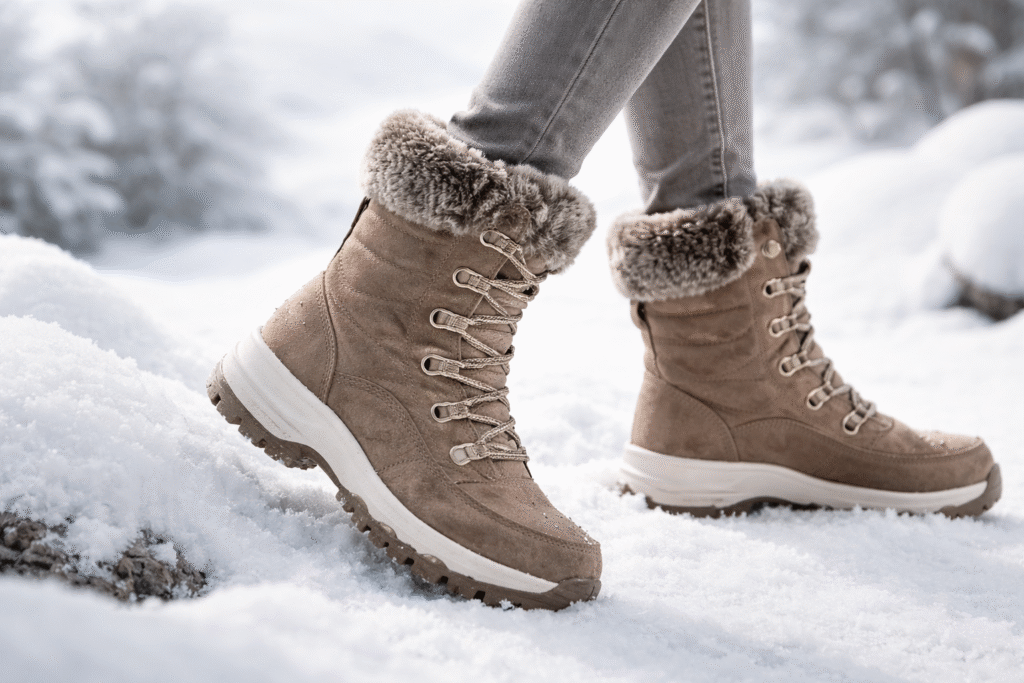
Winter boots designed for snow and ice are built differently from regular cold-weather shoes. Their purpose is not just to keep your feet warm, but also dry, stable, and supported on slippery surfaces.
What Makes Winter Boots Different?
Unlike fashion boots or casual sneakers, proper snow boots focus on:
-
Thermal insulation
-
Waterproof construction
-
High-traction soles
-
Ankle support
-
Durable materials that hold up in freezing temperatures
If a boot ignores even one of these areas, it may struggle in real winter conditions.
Key Features to Look for in Winter Boots
1. Insulation: The Core of Warmth
Insulation determines how well boots retain heat.
Common insulation types:
-
Thinsulate: Lightweight, efficient, great for everyday wear
-
Synthetic insulation: Warms even when damp
-
Natural wool or felt liners: Excellent for extreme cold
Tip: More insulation isn’t always better. City walking needs less insulation than snow shoveling or hiking.
2. Waterproof vs Water-Resistant
Snow melts. Ice turns to slush. Dry feet matter.
Waterproof boots have sealed seams and treated materials that block moisture completely.
Water-resistant boots handle light snow but fail in slush or wet conditions.
If you expect deep snow or icy sidewalks, always choose fully waterproof winter boots.
3. Outsole Grip and Traction
Ice doesn’t forgive smooth soles.
Look for:
-
Rubber outsoles designed for cold temperatures
-
Deep lugs or patterned tread
-
Specialized winter traction compounds
Some premium winter boots even use ice-gripping rubber formulas designed to stay flexible in freezing weather.
4. Fit, Comfort, and Sizing
A poorly fitting boot can ruin even the best materials.
Fit tips:
-
Leave room for thick winter socks
-
Avoid tight toes—restricted blood flow means colder feet
-
Heel should feel secure, not slippery
Try boots later in the day when feet are slightly swollen for a more realistic fit.
5. Boot Height and Ankle Support
Boot height matters more than people think.
-
Low boots: Light snow, casual wear
-
Mid-calf boots: Daily winter use, icy sidewalks
-
Tall boots: Deep snow, outdoor work, harsh winters
Ankle support also helps prevent slips on uneven, icy surfaces.
Benefits of Choosing the Right Winter Boots
Choosing the right boots isn’t just about comfort—it’s about daily confidence.
Key benefits include:
-
Warm, dry feet all day
-
Reduced risk of slipping on ice
-
Better posture and walking stability
-
Longer boot lifespan
-
Fewer winter-related foot problems
Good boots quickly pay for themselves when winter conditions hit hard.
Potential Drawbacks to Watch Out For
Even high-quality winter boots can have downsides.
Common drawbacks:
-
Heavier weight due to insulation
-
Reduced breathability indoors
-
Higher upfront cost
-
Bulky design for casual outfits
Understanding these trade-offs helps you choose boots that match your lifestyle, not just the weather.
Use-Cases: Matching Boots to Your Lifestyle
For Daily City Walking
-
Moderate insulation
-
Lightweight design
-
Good traction for sidewalks
-
Waterproof exterior
For Snow Shoveling & Outdoor Work
-
Heavy insulation
-
Tall shaft
-
Aggressive tread
-
Durable materials
For Travel & Casual Wear
-
Stylish but functional
-
Mid-level insulation
-
Comfortable for long wear
For Hiking in Snow
-
Strong ankle support
-
Rugged outsole
-
Breathable but waterproof lining
Expert Tips Before You Buy
-
Always check temperature ratings, not just descriptions
-
Try boots with the socks you plan to wear
-
Avoid smooth leather soles in icy regions
-
Prioritize grip over style for daily winter use
-
Break in boots before heavy snow arrives
Small decisions here prevent big regrets later.
Top Converting US Winter Boots (Buyer Favorites)
| Brand | Best For | Why It Converts Well |
|---|---|---|
| Sorel (Check Price on Amazon) | Extreme cold & snow | Excellent insulation & grip |
| Columbia (Check Price on Amazon) | Everyday winter wear | Lightweight and affordable |
| Timberland (Check Price on Amazon) | Style + function | Durable and waterproof |
| The North Face (Check Price on Amazon) | Outdoor winter use | Trusted cold-weather tech |
| UGG Winter (Check Price on Amazon) Line | Casual cold climates | Comfort-focused warmth |
| Kamik (Check Price on Amazon) | Budget-friendly snow boots | Reliable waterproof design |
| Merrell (Check Price on Amazon) | Snow hiking | Strong traction & support |
These brands consistently perform well in US winter conditions and are popular among buyers for good reason.
Common Mistakes to Avoid
-
Buying fashion boots labeled as “winter boots”
-
Ignoring traction quality
-
Choosing boots too tight for thick socks
-
Assuming all waterproof boots are insulated
-
Skipping reviews from cold-weather users
Avoiding these mistakes saves money and discomfort.
Frequently Asked Questions (FAQ)
1. How much insulation do I need for winter boots?
It depends on temperature and activity. Daily city use needs less insulation than outdoor work or extreme cold exposure.
2. Are winter boots good for ice?
Yes, if they have proper rubber outsoles with winter traction patterns designed for icy surfaces.
3. Can I wear winter boots all day indoors?
You can, but heavily insulated boots may feel warm indoors. Lighter insulated options are better for mixed environments.
4. Are expensive winter boots worth it?
Often yes. Higher-quality boots usually last longer, offer better grip, and keep feet warmer and drier.
5. How long do winter boots last?
With proper care, a good pair can last 3–5 winter seasons or longer.
6. Should winter boots be tight or loose?
They should be snug but not tight. You need space for insulation and circulation.
Conclusion: Make Winter Easier on Your Feet
Choosing the right winter boots for snow and ice isn’t complicated once you know what truly matters. Focus on insulation, waterproofing, traction, and fit rather than just brand names or style. The right pair will keep you warm, safe, and comfortable through every winter walk, storm, and icy morning.
A smart purchase now means fewer slips, warmer toes, and one less thing to worry about when winter hits its peak.
Lorem ipsum dolor sit amet, consectetur adipiscing elit. Ut elit tellus, luctus nec ullamcorper mattis, pulvinar dapibus leo.
Lorem ipsum dolor sit amet, consectetur adipiscing elit. Ut elit tellus, luctus nec ullamcorper mattis, pulvinar dapibus leo.