Choosing the best home workout equipment can make your fitness journey easier, more effective, and more consistent. Whether your goal is to lose weight, build muscle, improve flexibility, or simply stay active and healthy, the right home gym equipment can keep you motivated to exercise regularly while eliminating many of the common challenges associated with going to a gym.
Setting up a home gym does not always require expensive or bulky equipment. For beginners, a few practical and versatile fitness tools are often enough and can be selected according to your budget and the space available at home. With the right equipment, you can perform a wide variety of effective workouts without paying a monthly gym membership or visiting a fitness center.
In this comprehensive guide, you’ll discover the 15 best home workout equipment options for beginners in 2026. We’ll also cover their key features, benefits, limitations, and essential buying tips to help you make a smart and informed decision before investing in your home gym.
Why Beginners Need Home Workout Equipment
Starting a fitness journey can feel challenging for many people, especially if you’re beginning a regular exercise routine for the first time. The good news is that setting up a small home gym can help you overcome many of the common barriers that make it difficult to stay consistent with your fitness goals.
Let’s explore why investing in home workout equipment can be a smart and worthwhile decision.
Exercise Anytime
One of the biggest advantages of working out at home is the convenience and flexibility it offers. You don’t have to adjust your schedule around gym hours. Instead, you can exercise whenever it suits you—before work in the morning, during your lunch break, or later in the evening.
Save Money Over Time
You may need to make an initial investment when purchasing fitness equipment, but high-quality equipment can last for many years. In the long run, it often proves to be a more cost-effective and worthwhile option than paying for a monthly gym membership.
Comfortable Learning Environment
Many beginners feel hesitant or uncomfortable exercising in crowded gyms. Working out at home allows you to learn proper techniques at your own pace, build confidence, and practice consistently without feeling any pressure.
Build Consistency
When your fitness equipment is always available at home, staying consistent with your workouts becomes much easier. Even on busy days, you can easily fit a quick 20-minute workout into your daily routine.
Supports Multiple Fitness Goals
The best home workout equipment helps you:
- Build strength
- Burn calories
- Improve flexibility
- Increase endurance
- Enhance mobility
- Recover faster after workouts
How to Choose the Best Home Workout Equipment
Not every piece of fitness equipment is suitable for beginners. That’s why it’s important to consider a few key factors before making your purchase.
1. Budget
You don’t need to spend a fortune to build an effective home gym.
Start with versatile fitness equipment that allows you to perform a wide variety of exercises and helps you work toward different fitness goals.
Examples include:
- Resistance bands
- Dumbbells
- Yoga mat
As your fitness improves and your training needs evolve, you can gradually expand your collection of fitness equipment.
2. Available Space
Before purchasing any fitness equipment, measure your workout area carefully to ensure the equipment fits comfortably in the available space.
If you live in a small apartment, choose compact or foldable equipment such as:
- Foldable benches
- Resistance bands
- Jump ropes
- Doorway pull-up bars
Choosing space-saving fitness equipment helps keep your home gym organized while making the most of the available space.
3. Fitness Goals
Your goals determine which equipment offers the greatest value.
| Goal | Recommended Equipment |
|---|---|
| Weight Loss | Jump Rope, Resistance Bands, Dumbbells |
| Muscle Building | Adjustable Dumbbells, Bench, Pull-Up Bar |
| Flexibility | Yoga Mat, Foam Roller |
| General Fitness | Kettlebell, Medicine Ball, Bands |
4. Durability
Always choose fitness equipment made from high-quality materials to ensure long-lasting durability, reliable performance, and safe use.
Look for:
- Steel frames
- High-density foam
- Heavy-duty rubber
- Anti-slip surfaces
- Reinforced stitching
Sturdy, high-quality fitness equipment is built to last and provides greater stability, reliability, and safety during your workouts.
5. Versatility
The best fitness equipment for beginners is versatile enough to support a wide range of exercises that target different muscle groups.
For example:
A pair of adjustable dumbbells allows you to perform:
- Squats
- Shoulder Press
- Lunges
- Rows
- Chest Press
- Deadlifts
Versatile fitness equipment offers better value for your money, as it allows you to perform a wide variety of exercises using a single piece of equipment.
6. Safety
Safety should always come first.
Look for equipment with:
- Non-slip grips
- Stable bases
- Secure locking mechanisms
- Comfortable handles
- Weight ratings suitable for your needs
Always learn the correct technique and maintain proper form before increasing the resistance to ensure your workouts remain safe and effective.
7. Ease of Use
For beginners, it’s best to choose simple, easy-to-use fitness equipment instead of overly complex machines.
Equipment that is quick to set up and easy to use makes it much easier to stay consistent with your workouts and incorporate exercise into your daily routine.
The more convenient and user-friendly your fitness equipment is, the more likely you are to stick to your workout routine over the long term.
15 Best Home Workout Equipment for Beginners in 2026
1. Dumbbells
Overview
Dumbbells are among the most useful and effective pieces of fitness equipment for home workouts, as they can be used for hundreds of strength training exercises. Adjustable dumbbells are especially popular because they offer multiple weight options in a single set, eliminating the need to buy several pairs of dumbbells while also saving valuable space at home.
Key Features
- Adjustable weight options
- Compact storage
- Durable metal construction
- Comfortable grip
- Suitable for full-body workouts
Benefits
- Builds strength
- Improves muscle endurance
- Increases bone density
- Supports progressive overload
- Suitable for beginners and advanced users
Pros
✔ Extremely versatile
✔ Space-saving (adjustable models)
✔ Long-lasting
✔ Suitable for every fitness level
Cons
✘ Higher initial cost for adjustable models
✘ Incorrect lifting form may increase injury risk
Best For
- Muscle building
- Fat loss
- Strength training
- Functional fitness
Buying Tips
If you have limited space, adjustable dumbbells are an excellent choice. When buying them, look for models with a sturdy, secure locking mechanism and ergonomic handles that provide a comfortable, reliable grip during workouts.
2. Resistance Bands
Overview
Resistance bands are affordable, lightweight, and highly effective fitness tools for beginners. Although their design is simple, they provide excellent resistance training while placing less stress on the joints than traditional weights, making workouts both safer and more comfortable.
Key Features
- Multiple resistance levels
- Portable
- Latex or fabric options
- Suitable for upper and lower body workouts
Benefits
- Improves strength
- Enhances flexibility
- Supports rehabilitation
- Easy to travel with
- Beginner-friendly
Pros
✔ Budget-friendly
✔ Lightweight
✔ Excellent for mobility exercises
✔ Versatile
Cons
✘ Bands may wear out over time
✘ Limited resistance compared to heavy weights
Best For
- Home workouts
- Beginners
- Mobility training
- Stretching
Buying Tips
To support steady progress in your fitness journey, choose a resistance band set that includes light, medium, and heavy resistance levels. This allows you to gradually increase the resistance as your strength improves, helping you train safely and effectively.
3. Yoga Mat
Overview
A high-quality yoga mat provides a stable, safe, and comfortable surface for your workouts. Whether you’re practicing yoga, Pilates, stretching, or bodyweight exercises, it cushions your joints, helps prevent slipping, and improves balance and stability.
Key Features
- Non-slip surface
- Cushioned support
- Lightweight
- Easy to clean
- Roll-up design
Benefits
- Improves comfort
- Protects knees and elbows
- Prevents slipping
- Suitable for multiple workout styles
Pros
✔ Affordable
✔ Portable
✔ Easy maintenance
✔ Comfortable
Cons
✘ Lower-quality mats wear out quickly
✘ Thick mats may reduce balance during standing exercises
Best For
- Yoga
- Pilates
- Stretching
- Core workouts
Buying Tips
For greater comfort and stability, choose a yoga mat with a textured, non-slip surface and a thickness of around 6 mm. This provides better grip during workouts while offering adequate cushioning to protect your joints.
4. Adjustable Bench
Overview
An adjustable workout bench adds greater variety and effectiveness to your strength training routine. It allows you to perform incline, flat, and decline exercises with dumbbells or resistance bands, helping you target different muscle groups more efficiently.
Key Features
- Adjustable backrest
- Foldable design
- High weight capacity
- Stable steel frame
Benefits
- Supports full-body workouts
- Improves exercise variety
- Enhances strength training
- Saves space when folded
Pros
✔ Versatile
✔ Durable
✔ Suitable for beginners
✔ Works with multiple equipment types
Cons
✘ Requires more storage space
✘ Higher price than basic benches
Best For
- Chest workouts
- Shoulder exercises
- Core training
- Dumbbell routines
Buying Tips
For long-term durability and comfort, choose a workout bench with multiple incline settings, a sturdy steel frame, and well-cushioned seat and back support.
5. Pull-Up Bar
Overview
A doorway pull-up bar is a useful addition to any beginner’s home gym. Although pull-ups can be challenging at first, regular practice with this equipment helps build upper-body strength and gradually improves overall fitness.
Key Features
- Door-mounted installation
- Heavy-duty steel construction
- Multiple grip positions
- Compact design
Benefits
- Strengthens the back
- Builds arm muscles
- Improves grip strength
- Enhances functional fitness
Pros
✔ Doesn’t require much space
✔ Supports several upper-body exercises
✔ Durable
✔ Affordable
Cons
✘ Not suitable for all door frames
✘ Beginners may need resistance bands for assistance
Best For
- Back workouts
- Upper-body strength
- Bodyweight training
Buying Tips
Before purchasing a pull-up bar, make sure your doorway frame is compatible with its size and maximum weight capacity. If you’re a beginner, using it with resistance bands can make pull-ups easier while helping you build proper technique and strength.
6. Foam Roller
Overview
Foam rollers are often overlooked, but they are one of the most useful pieces of home workout equipment for beginners who want to improve recovery and reduce muscle soreness. They use the Self-Myofascial Release (SMR) technique to help relieve muscle tension and stiffness while improving flexibility and mobility after workouts.
Whether you do weight training, running, or yoga, a foam roller can become an essential part of your recovery routine. With regular use, it can also help speed up muscle recovery and improve overall workout performance.
Key Features
- High-density EVA foam construction
- Available in smooth and textured designs
- Lightweight and portable
- Suitable for full-body muscle recovery
- Easy to clean
Benefits
- Helps reduce muscle stiffness
- Improves flexibility and range of motion
- Promotes faster recovery
- Supports injury prevention
- Relieves post-workout soreness
Pros
✔ Affordable and beginner-friendly
✔ Easy to use at home
✔ Improves mobility
✔ Long-lasting with minimal maintenance
Cons
✘ Can feel uncomfortable for first-time users
✘ Doesn’t replace professional physical therapy
Best For
- Muscle recovery
- Stretching routines
- Mobility exercises
- Active recovery days
Buying Tips
If you’re new to self-myofascial release (SMR), it’s best to start with a medium-density foam roller. Textured foam rollers provide deeper pressure, but they may feel too intense or uncomfortable for beginners at first.
7. Kettlebell
Overview
Kettlebells are versatile fitness tools that allow you to combine strength training and cardio in a single workout. Their unique design supports dynamic movements that improve balance, coordination, and functional strength.
Unlike traditional weights, kettlebells encourage full-body, natural movement patterns. This makes them an excellent choice for beginners who want an efficient, full-body workout in less time.
Key Features
- Cast iron or coated steel construction
- Comfortable ergonomic handle
- Available in multiple weight options
- Compact footprint
Benefits
- Builds total-body strength
- Improves cardiovascular fitness
- Burns calories efficiently
- Enhances coordination
- Increases core stability
Pros
✔ Compact and space-saving
✔ Suitable for full-body workouts
✔ Durable
✔ Supports functional fitness
Cons
✘ Requires proper technique
✘ Heavy weights may overwhelm beginners
Best For
- Functional strength
- Fat loss
- Full-body conditioning
- Core workouts
Buying Tips
Always start with a kettlebell that allows you to learn the correct technique and maintain proper form. Beginners should practice with a lighter kettlebell first and gradually progress to heavier weights only after building confidence and mastering the proper movement patterns.
8. Jump Rope
Overview
A jump rope is one of the most affordable and effective pieces of home workout equipment. Although it looks simple, it delivers an excellent cardiovascular workout while also improving balance, coordination, and endurance.
Jumping rope for just 10–15 minutes a day can significantly elevate your heart rate and help burn a substantial number of calories.
Key Features
- Adjustable cable length
- Comfortable non-slip handles
- Lightweight design
- Suitable for indoor and outdoor workouts
Benefits
- Improves cardiovascular health
- Burns calories quickly
- Enhances coordination
- Strengthens calves and shoulders
- Supports weight management
Pros
✔ Extremely affordable
✔ Easy to store
✔ Great for HIIT workouts
✔ Portable for travel
Cons
✘ Requires adequate ceiling height
✘ May be challenging for beginners initially
Best For
- Cardio workouts
- Weight loss
- Endurance training
- Warm-up sessions
Buying Tips
For greater comfort and control, choose an adjustable jump rope with comfortable grip handles and a strong, durable cable. Also, make sure the rope length can be easily adjusted to match your height, ensuring smoother movement and better performance during workouts.
9. Stability Ball
Overview
A stability ball, also known as an exercise ball or fitness ball, is an excellent tool for improving balance, posture, and core strength. Because it creates an unstable surface, your muscles must work harder to maintain proper alignment during exercises, helping to build greater strength and stability.
In addition, stability balls are widely used for stretching, improving flexibility, and supporting rehabilitation exercises.
Key Features
- Anti-burst material
- Multiple size options
- Slip-resistant surface
- Lightweight and inflatable
Benefits
- Strengthens core muscles
- Improves posture
- Enhances flexibility
- Supports low-impact workouts
- Suitable for stretching routines
Pros
✔ Excellent for beginners
✔ Supports multiple exercises
✔ Comfortable and versatile
✔ Affordable
Cons
✘ Requires inflation
✘ Needs storage space
Best For
- Core workouts
- Balance training
- Rehabilitation exercises
- Stretching
Buying Tips
Choose a stability ball that is the right size for your height to maintain proper posture and balance during exercise. For added safety and durability, select a ball with anti-burst technology, which helps prevent it from suddenly bursting under excessive pressure.
10. Medicine Ball
Overview
A medicine ball is an excellent way to add variety to your home workouts. It allows you to perform dynamic, functional movements that engage multiple muscle groups at the same time, helping to improve strength, coordination, and explosive power.
Medicine balls are available in a variety of weights and materials, making them suitable for both beginners and experienced fitness enthusiasts based on their individual needs and fitness levels.
Key Features
- Available in multiple weight options
- Textured non-slip surface
- Rubber or soft-shell construction
- Suitable for indoor training
Benefits
- Improves functional strength
- Enhances coordination
- Develops explosive power
- Supports core stability
- Adds variety to workouts
Pros
✔ Durable
✔ Easy to use
✔ Suitable for partner workouts
✔ Great for full-body training
Cons
✘ Limited exercise variety compared to dumbbells
✘ Heavier balls require proper technique
Best For
- Core exercises
- Functional fitness
- Athletic conditioning
- Strength training
Buying Tips
Beginners should start with a lighter medicine ball to master proper technique and movement patterns. Once you gain confidence and develop the correct form, you can gradually progress to a heavier medicine ball based on your strength and fitness level.
Quick Buying Tips for Beginners
If you’re buying fitness equipment for your home for the first time, keep these important points in mind before making your purchase:
Start Small
There’s no need to buy a large amount of fitness equipment at the beginning. Start with versatile, multi-purpose equipment that allows you to perform a variety of exercises and supports different fitness goals.
Prioritize Quality
Well-built, high-quality fitness equipment lasts much longer than cheaper alternatives and provides greater stability, reliability, and safety during your workouts.
Match Equipment to Your Goals
- Weight Loss: Jump Rope, Resistance Bands
- Strength Building: Dumbbells, Kettlebell, Adjustable Bench
- Flexibility: Yoga Mat, Foam Roller
- General Fitness: Stability Ball, Medicine Ball
Check Weight Capacity
Before buying a workout bench, pull-up bar, or any other supportive fitness equipment, always check the manufacturer’s recommended maximum weight capacity to ensure safe, stable, and reliable use during your workouts.
Read Customer Reviews
Reading customer reviews and real user feedback can help you identify fitness products that are durable, comfortable to use, and offer excellent value for money.
Pro Tip
You don’t need to buy all 15 pieces of equipment to get started. A beginner-friendly setup with essentials like dumbbells, resistance bands, a yoga mat, and a foam roller is more than enough to build strength, improve mobility, and establish a consistent workout routine.
As your fitness level improves, you can gradually expand your home gym by adding equipment that matches your goals and evolving training needs.
11. Suspension Trainer
Overview
A suspension trainer is one of the most useful fitness tools for beginners setting up a home gym. It uses adjustable straps attached to a sturdy door or beam, allowing you to perform bodyweight exercises that help build strength, improve balance, and increase flexibility.
Since the resistance comes from your own body weight, you can easily adjust the difficulty of exercises by simply changing your body angle and modifying the level of challenge according to your fitness ability.
Key Features
- Adjustable suspension straps
- Door anchor included
- Lightweight and portable
- Supports full-body exercises
- Quick setup
Benefits
- Improves functional strength
- Enhances core stability
- Increases flexibility
- Suitable for all fitness levels
- Engages multiple muscle groups at once
Pros
✔ Portable and easy to store
✔ Great for full-body workouts
✔ Low-impact on joints
✔ Hundreds of exercise variations
Cons
✘ Requires a secure anchor point
✘ Learning proper form takes practice
Best For
- Full-body workouts
- Functional fitness
- Core training
- Home and travel workouts
Buying Tips
Choose a suspension trainer with strong, durable straps and secure locking buckles for safe and reliable use. Before purchasing, make sure it includes a dependable door anchor and clear, easy-to-follow setup instructions so you can install and use it correctly.
12. Push-Up Bars
Overview
Push-up bars are a helpful fitness tool for beginners, as they promote better wrist positioning and allow a greater range of motion during push-ups. They help reduce pressure on the wrists while improving muscle activation in the chest, shoulders, and triceps for a more effective workout.
Key Features
- Non-slip handles
- Stable rubber feet
- Lightweight design
- Easy to store
Benefits
- Reduces wrist discomfort
- Improves push-up form
- Increases upper-body strength
- Supports bodyweight training
Pros
✔ Affordable
✔ Compact
✔ Easy to use
✔ Suitable for all fitness levels
Cons
✘ Limited to upper-body exercises
✘ Requires proper technique
Best For
- Chest workouts
- Shoulder training
- Bodyweight fitness
- Home strength routines
Buying Tips
Choose push-up bars made from strong steel or high-quality plastic. For a more comfortable and safer workout experience, look for bars with ergonomic grips and non-slip bases that provide better stability during exercises.
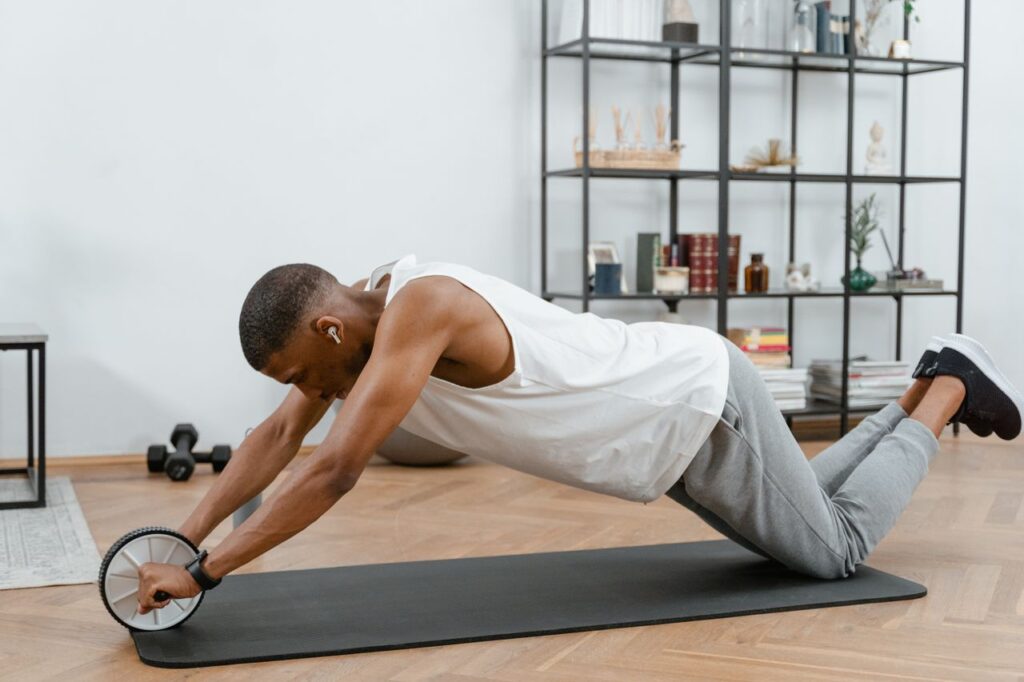
13. Ab Wheel Roller
Overview
The ab wheel roller is a simple yet highly effective fitness tool for building core strength. It primarily targets the abdominal muscles while also engaging the shoulders, arms, back, and hips during the movement.
Although it may feel challenging at first, beginners can start by rolling over a shorter distance and gradually increase their range of motion as they build strength and improve their technique.
Key Features
- Dual-wheel stability
- Ergonomic handles
- Compact design
- Durable construction
Benefits
- Builds core strength
- Improves stability
- Enhances posture
- Engages multiple muscle groups
Pros
✔ Budget-friendly
✔ Portable
✔ Highly effective
✔ Durable
Cons
✘ Can be difficult for beginners
✘ Requires proper technique to avoid lower back strain
Best For
- Core workouts
- Functional strength
- Stability training
Buying Tips
For better balance and stability, choosing a dual-wheel ab roller is a great option. Beginners should focus on controlled movements with proper technique instead of rolling too far at the start, gradually increasing their range as they build strength and confidence.
14. Adjustable Step Platform
Overview
An adjustable step platform is a versatile fitness tool that can be used for cardio workouts, strength training, and balance exercises. By adjusting the platform height according to their ability, beginners can gradually increase workout intensity and improve their overall fitness level.
Key Features
- Adjustable height
- Non-slip surface
- Stable construction
- Lightweight design
Benefits
- Improves cardiovascular fitness
- Strengthens legs and glutes
- Supports balance training
- Adds variety to workouts
Pros
✔ Easy to use
✔ Suitable for all fitness levels
✔ Durable
✔ Multiple exercise options
Cons
✘ Requires some floor space
✘ Limited upper-body use
Best For
- Cardio sessions
- Leg workouts
- Aerobic exercises
- Balance training
Buying Tips
Choose a step platform with a textured, non-slip surface to ensure better grip and safety during workouts. Also, make sure it has strong risers that lock securely into place and provide reliable stability during use.
15. Mini Exercise Bike (Pedal Exerciser)
Overview
A mini exercise bike is an excellent option for people who want to include low-impact cardio workouts in their routine. Its compact design allows you to pedal easily while working at a desk, watching TV, or relaxing at home.
This equipment is especially beneficial for older adults, people performing rehabilitation exercises, and those living in homes with limited space.
Key Features
- Adjustable resistance
- Compact size
- Non-slip pedals
- LCD display (on many models)
Benefits
- Improves circulation
- Supports low-impact cardio
- Strengthens leg muscles
- Encourages daily movement
- Easy to use
Pros
✔ Space-saving
✔ Quiet operation
✔ Beginner-friendly
✔ Affordable
Cons
✘ Limited workout intensity
✘ Not ideal for advanced athletes
Best For
- Seniors
- Rehabilitation
- Daily movement
- Low-impact exercise
Buying Tips
Choose mini exercise bike models that feature adjustable resistance, sturdy anti-slip feet, and a digital monitor to track details such as workout time, calories burned, and distance. These features help make your workouts more effective and allow you to monitor your progress easily.
Best Home Workout Equipment Comparison Table
| Equipment | Price Range | Difficulty Level | Space Required | Best For |
|---|---|---|---|---|
| Dumbbells | 79$ | Beginner | Small | Strength Training |
| Resistance Bands | 24$ | Beginner | Very Small | Full-Body Workouts |
| Yoga Mat | 20$ | Beginner | Small | Yoga & Stretching |
| Adjustable Bench | 69$ | Beginner | Medium | Weight Training |
| Pull-Up Bar | 27$ | Intermediate | Small | Upper-Body Strength |
| Foam Roller | 12$ | Beginner | Small | Recovery & Mobility |
| Kettlebell | 21$ | Beginner | Small | Functional Strength |
| Jump Rope | 8$ | Beginner | Small | Cardio & Weight Loss |
| Stability Ball | 17$ | Beginner | Medium | Core & Balance |
| Medicine Ball | 17$ | Beginner | Small | Functional Training |
| Suspension Trainer | 139$ | Beginner | Small | Full-Body Fitness |
| Push-Up Bars | 27$ | Beginner | Very Small | Upper-Body Strength |
| Ab Wheel Roller | 19$ | Intermediate | Very Small | Core Training |
| Adjustable Step Platform | 24$ | Beginner | Medium | Cardio & Legs |
| Mini Exercise Bike | 89$ | Beginner | Small | Low-Impact Cardio |
Beginner Workout Tips
You don’t need expensive equipment or complicated workout routines to begin your fitness journey. With these helpful tips, you can stay consistent with your fitness routine and reduce the risk of injuries.
1. Focus on Proper Form
Lifting heavier weights is not the only measure of progress; prioritizing proper technique and correct form is far more important. Learning to perform movements correctly helps reduce the risk of injury and leads to better, safer fitness results in the long run.
2. Start with Basic Equipment
You don’t need to have every type of expensive or advanced equipment when starting your home workout journey. Begin with basic and practical essentials like dumbbells, resistance bands, and a yoga mat, which are enough for a wide range of exercises and fitness goals.
3. Warm Up Before Every Workout
Before starting your workout, spend 5–10 minutes doing light cardio and dynamic stretching to prepare your muscles and joints. This helps activate your body and improves performance during exercise.
Good warm-up ideas include:
- Arm circles
- Bodyweight squats
- Marching in place
- Jumping jacks
- Hip rotations
4. Progress Gradually
Gradually increase the weight, repetitions, or duration of your workouts over time. Making sudden increases can put extra stress on your body and may lead to fatigue or a higher risk of injury.
5. Schedule Rest Days
Just like exercise, recovery is also an essential part of fitness. Aim to take at least 1–2 rest days each week to give your muscles enough time to repair, recover, and grow stronger.
6. Stay Hydrated
Staying hydrated is important for better performance and faster recovery. Make sure to drink enough water before, during, and after your workouts. Keeping your body hydrated helps maintain energy levels and supports recovery after exercise.
7. Stay Consistent
Even just 20–30 minutes of exercise, 3–5 times a week, can lead to noticeable improvements over time. When it comes to fitness progress, consistency is more important than trying to make every workout perfect.
Common Mistakes Beginners Should Avoid
By avoiding these common mistakes, you can make your home workouts safer, more effective, and more beneficial for achieving better results.
Buying Too Much Equipment at Once
Instead of filling your home with fitness equipment that you may rarely use, start with a few basic and essential items. This will help you build a more effective workout routine while avoiding unnecessary expenses.
Ignoring Warm-Ups
Skipping a warm-up can increase the risk of muscle strains and joint-related injuries. Preparing your body before a workout is essential for safer and more effective exercise.
Using Poor Technique
Using incorrect exercise techniques can reduce the effectiveness of your workouts and increase the risk of injury. If you are unsure about the proper way to perform an exercise, watch reliable instructional videos or seek guidance from an experienced trainer.
Choosing Weights That Are Too Heavy
For beginners, it is better to master proper technique and form with lighter weights before increasing resistance. This helps them progress safely and achieve better workout results over time.
Skipping Recovery
Using recovery tools like stretching and foam rollers on rest days can help reduce muscle stiffness and soreness. These practices improve recovery and support better performance over the long term.
Expecting Instant Results
Fitness is a gradual process that requires patience and consistency. Instead of focusing on achieving quick results, focus on building healthy and sustainable habits that help you stay fit and active in the long run.
Neglecting Nutrition
Exercise alone is not enough for achieving fitness goals. A balanced diet with the right amount of protein, healthy fats, and complex carbohydrates helps maintain energy levels and supports proper muscle recovery.
💡 Quick Tip: One important thing to remember is that the best home workout equipment is the one you will use consistently. Start with a few high-quality essential items, create a simple and practical workout routine, and gradually expand your home gym as your confidence and fitness level improve.
Frequently Asked Questions
What is the best home workout equipment for beginners?
For beginners, the best home workout equipment depends on their fitness goals and budget. However, a combination of dumbbells, resistance bands, a yoga mat, and a foam roller can be highly effective for strength training, improving flexibility, and supporting recovery. These essential tools are affordable, easy to use, and suitable for almost any type of workout routine.
Do I need expensive equipment to build a home gym?
No, you don’t need to spend a lot of money to build an effective home gym. Many beginners start with basic equipment like resistance bands, a yoga mat, and adjustable dumbbells. As your strength and experience improve, you can gradually add more equipment, such as an adjustable bench, kettlebells, or other tools based on your fitness needs and goals.
Which home workout equipment is best for weight loss?
If your goal is weight loss, choose fitness equipment that supports both cardio and strength training. Some of the best options include:
- Jump rope
- Resistance bands
- Dumbbells
- Kettlebells
- Adjustable step platform
Including these fitness tools in your routine along with a balanced diet and regular exercise can help you achieve sustainable results over the long term.
How much space do I need for a beginner home gym?
You don’t need an entire room to create a home gym. A small space of around 6 × 6 feet (1.8 × 1.8 meters) is enough for beginner workouts. Compact equipment like resistance bands, dumbbells, and foldable benches can be stored easily in apartments or small homes.
How often should beginners work out at home?
Most fitness experts recommend exercising 3–5 days a week. Aim to spend around 30–45 minutes on each workout session, including warm-up and cool-down. It is also important to take at least 1–2 rest days every week to give your body enough time to recover.
Is a foam roller necessary for beginners?
Although using a foam roller is not mandatory, including it in your fitness routine can be beneficial. It can help reduce muscle soreness and stiffness, improve flexibility, and support better post-workout recovery. Regular foam rolling may also enhance mobility and make future training sessions feel more comfortable.
Can I build muscle using only home workout equipment?
Yes, it is completely possible to build strength and muscle at home. Many people perform effective strength training using adjustable dumbbells, resistance bands, kettlebells, and bodyweight exercises. The key is to practice consistently with proper technique, follow a balanced diet, and gradually increase workout difficulty and resistance over time.
Conclusion
Choosing the right fitness equipment for home workouts doesn’t have to be difficult. The best home gym is one that is built according to your fitness goals, available space, and budget.
For beginners, it is best to start with basic and useful equipment like dumbbells, resistance bands, a yoga mat, and a foam roller. These tools allow you to perform a variety of exercises without taking up much space or requiring a large investment. As your confidence and fitness level improve, you can gradually add more equipment to your home gym, such as an adjustable bench, kettlebells, or a suspension trainer.
Keep in mind that simply owning a lot of fitness equipment does not guarantee success. Consistency is the most important factor. A simple workout routine that you follow regularly can often deliver better long-term results than an expensive home gym that is rarely used.
Start building your home gym today, choose equipment that matches your needs, and focus on developing healthy habits that you can maintain throughout 2026 and beyond.